Why Your Team Hates When You're Late to the Daily Standup
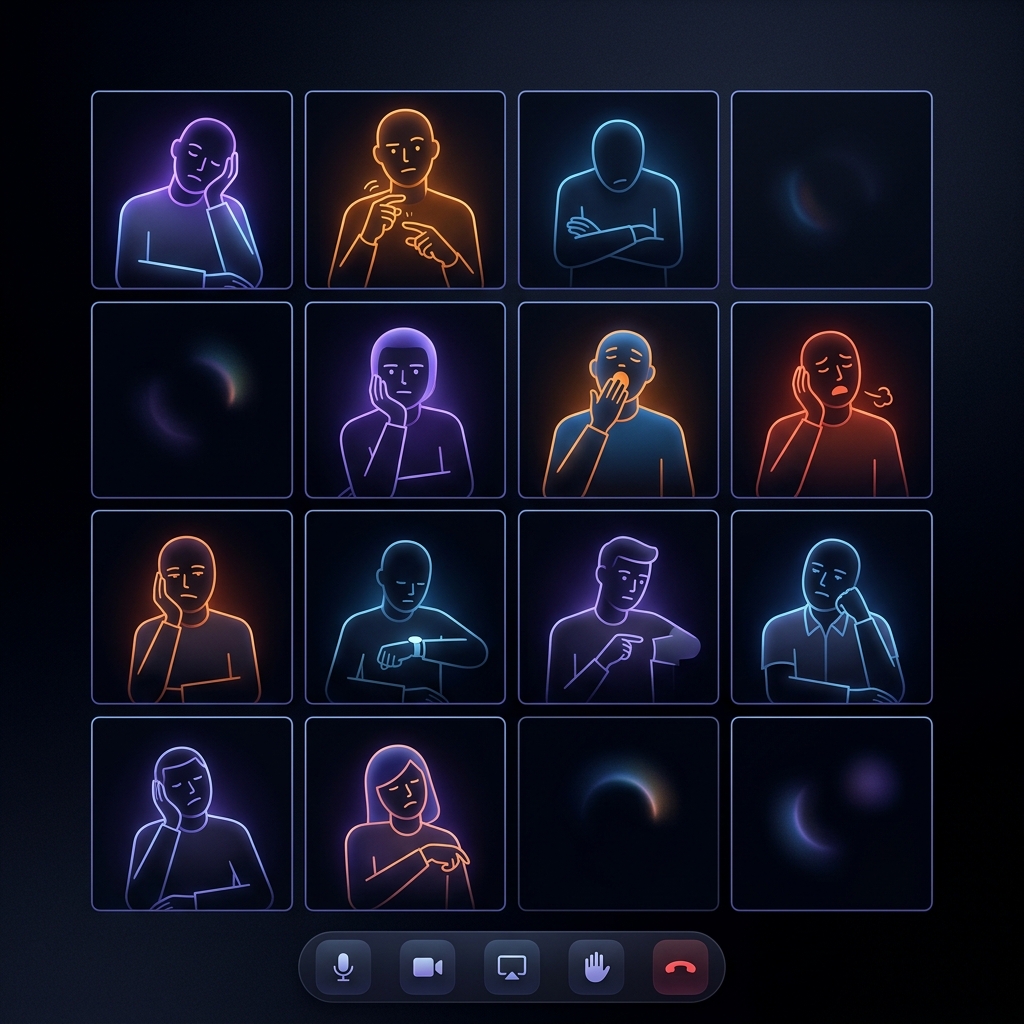
The daily standup is a delicate piece of agile machinery. It is designed to be fast, highly structured, and momentum-building. When executed correctly, a standup energizes the team for the day ahead. When executed poorly, it becomes a dreaded chore.
Nothing destroys the momentum of a daily standup faster than someone showing up three minutes late because they "didn't see the notification."
The Math of the Micro-Delay
A standup is typically scheduled for 15 minutes. If you are three minutes late, you have not just slightly delayed the meeting; you have wasted 20% of the entire allotted time. You force the team to choose between starting without you (and repeating themselves later) or sitting in an awkward, silent Zoom room staring at each other.
As we explored in our piece on the hidden costs of being 5 minutes late to every meeting, these micro-delays create massive compound friction over the course of a year.
🔔 The MeetingBell Solution
Never type "joining now!" into Slack again. MeetingBell uses per-meeting alert rules. You can configure a specific rule that triggers a loud, 30-second warning exclusively for meetings containing the word "standup," forcing you to drop what you're doing and click join immediately.
Asynchronous Resentment
When you are consistently late to the most basic, predictable meeting of the day, it breeds what psychologists call "asynchronous resentment." Your colleagues may smile and say "no problem" when you finally join, but the subconscious message you are sending is clear: My flow state is more valuable than your time.
This resentment is largely caused by Calendar Blindness. The offender genuinely didn't mean to be late; their calendar app simply failed to break their concentration. But intent does not matter to the six engineers waiting for a status update.
Fixing the Notification Pipeline
If you find yourself frequently apologizing for being the last to join the standup, you need to acknowledge that your current system is broken. A gentle chime from Google Calendar or Microsoft Outlook is insufficient. You need an alarm system.
By implementing a tool that physically disrupts your workflow with loud audio and a persistent visual countdown, you shift the burden of timekeeping off your prefrontal cortex. You guarantee that when the clock hits 10:00 AM, you are already in the room, ready to speak.
People Also Ask (PAA)
Why is being late to a standup so disruptive?
Standups are designed to be extremely fast, high-momentum meetings (often 10-15 minutes). Being 3 minutes late to a 15-minute meeting effectively wastes 20% of the entire allotted time, destroying the intended pace and forcing awkward delays.
How does lateness affect team morale?
Consistent lateness builds 'asynchronous resentment.' Colleagues perceive lateness as an arrogant statement that your time is more valuable than theirs, regardless of whether you just missed a calendar notification or were genuinely busy.
How can I make sure I never miss a morning standup?
Deploy a dedicated meeting alarm system like MeetingBell. Set a specific rule for your standup that triggers a loud, disruptive audio alert exactly 30 seconds before it starts, forcing you to switch contexts instantly without losing deep work time beforehand.