The Remote Worker's Guide to Mastering Meeting Punctuality
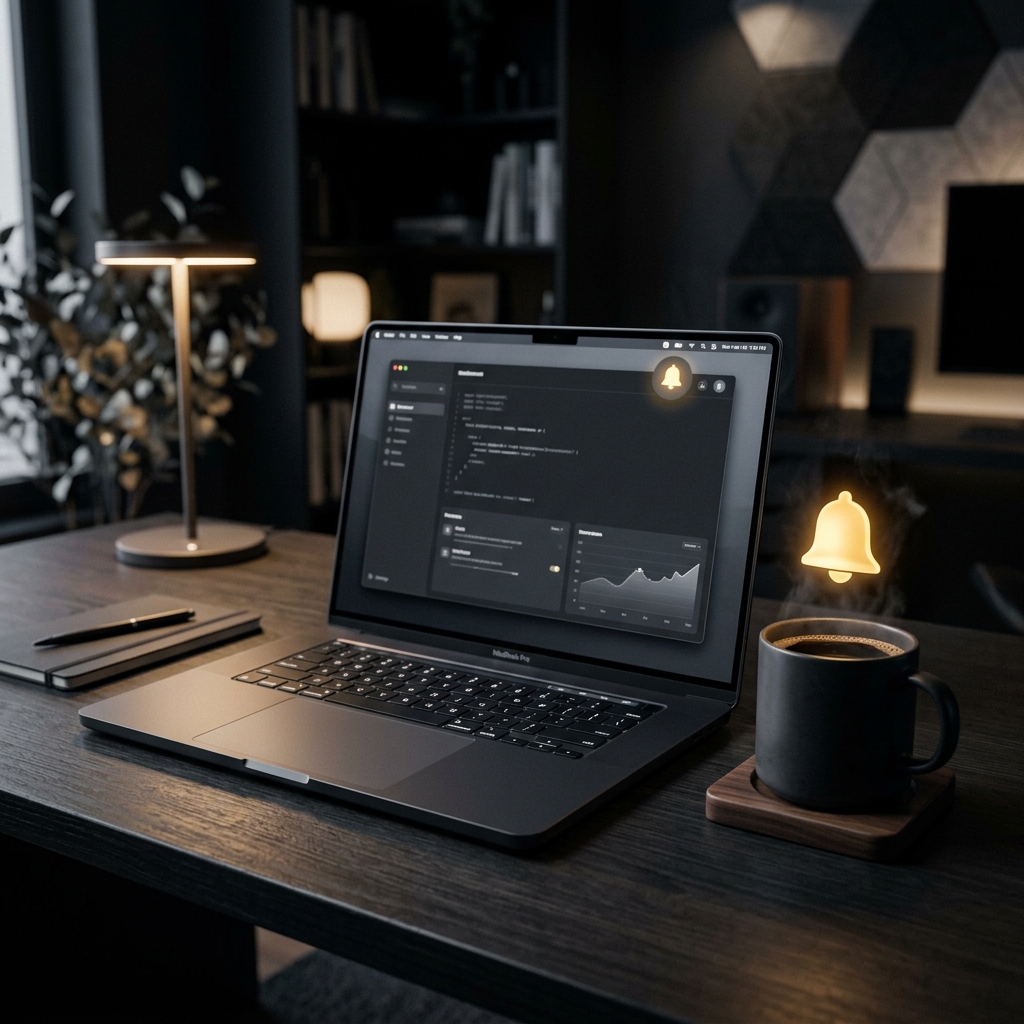
In a traditional office, your colleagues see you. They see you arriving early, they see you staying late, and if you are running five minutes behind for a meeting, they see you sprinting down the hallway. In a remote environment, none of that visual context exists. Your entire professional reputation is distilled into a single binary metric: your green light on Slack, and the exact second your face appears on the Zoom grid.
This reality makes mastering remote punctuality essential. Falling victim to Calendar Blindness isn't just an inconvenience; it is a rapid way to erode trust with your remote team.
The Asynchronous Trap
Remote work thrives on asynchronous communication. We are encouraged to turn off notifications, block out deep work time, and ignore immediate pings. However, this perfectly optimized async environment is entirely shattered by the synchronous necessity of a video call.
When you are deep in the zone, a polite little calendar banner sliding into the corner of your screen simply doesn't register. The hidden costs of being 5 minutes late to every meeting are magnified in remote teams because the waiting period is spent staring silently at a grid of webcams.
🔔 The MeetingBell Solution
To survive the clash between async focus and synchronous meetings, remote workers need a loud, undeniable trigger. MeetingBell provides this by overriding your focus mode just moments before a call. It plays a distinct audio track, ensuring that even if you are looking at another monitor, you know it's time to join.
Tools for Unbreakable Punctuality
Mastering remote punctuality means abandoning the belief that you can just "keep an eye on the clock." You must externalize the responsibility of timekeeping.
Installing a dedicated Meeting Reminder App is the baseline. From there, configure your alerts intelligently. Give yourself exactly enough time to finish a sentence, switch your mental context, and click the join link. When you establish a reputation as the person who is always, unfailingly on time, you build immense professional capital without saying a word.
People Also Ask (PAA)
Why is punctuality so important in remote work?
In a remote environment, your digital footprint is your only reputation. Being consistently late signals disrespect and unreliability, as colleagues have no physical context (like seeing you stuck in traffic or held up by the boss) to excuse the delay.
How can I ensure I am never late to a Zoom call?
Do not rely on your memory or default browser notifications. You must use a dedicated desktop application that plays a disruptive audio alert and visibly counts down to the meeting start time, forcing a hard break in your current task.
Is it okay to join a remote meeting 1 minute late?
While 1 minute might seem minor, it often forces the meeting host to pause and restart their introduction. Aiming to be in the waiting room 30 seconds early is the remote work gold standard and demonstrates deep respect for the host's agenda.